By: Christian Giordano, PhD
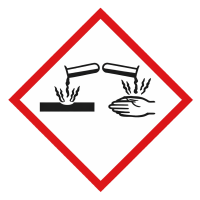
Skin irritation is defined as the reversible inflammatory response of the skin following exposure to a chemical or a mixture of substances, whereas skin corrosion is defined as the irreversible effect that leads to necrosis of epidermal cells. The UN GHS (Globally Harmonized System of Classification and Labelling of Chemicals) has classified the skin irritant and skin corrosive substances under 3 categories:
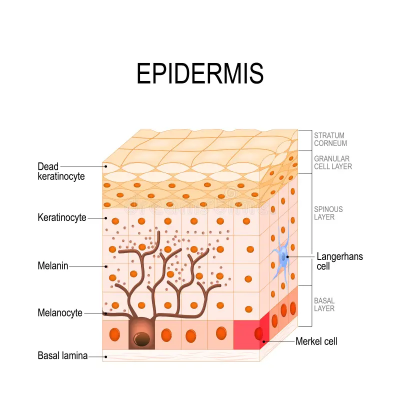
Historically, skin irritation and corrosion were evaluated using OECD TG 404, which relied on rabbit skin. To reduce animal use, the OECD adopted in vitro reconstructed human epidermis (RhE) models, including OECD TG 439 for irritation and TG 430/431/435 for corrosion.
These models use 3D human epidermal tissues cultured at an air–liquid interface. The EpiDerm™ model (MatTek), composed of differentiated human keratinocytes, is one of the validated systems used to support regulatory submissions.
ITR completed a full GLP validation of the Skin Irritation Test using the EpiDerm™ RhE model. The validation confirmed that the method meets all OECD TG 439 performance standards and is suitable for routine regulatory classification.
The validation assessed:
All evaluations met the acceptance criteria defined by OECD TG 439 and internal SOPs, confirming the reliability of the assay under routine conditions.
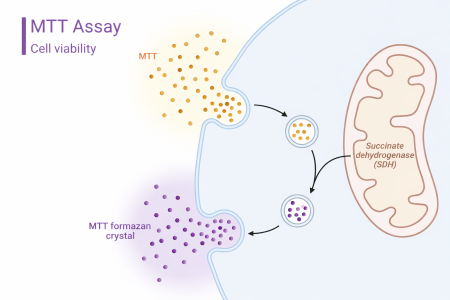
Cell viability was measured using the MTT assay, with absorbance at 570 nm used to quantify metabolic activity relative to the negative control.
Linearity assessments using MTT‑formazan and DTT‑MTT solutions demonstrated acceptable correlation across the required optical density range, meeting OECD expectations for analytical reliability.
Barrier integrity was verified using 1% Triton X‑100, with the tissue ET50 falling within the OECD‑specified acceptance window.
Mesh compatibility testing confirmed that the nylon mesh used for liquid applications did not degrade or interfere with tissue integrity.
Three independent runs using fresh tissue lots demonstrated:
These outcomes confirm that the method is highly reproducible and suitable for routine GLP studies.
Testing of the full panel of OECD recommended proficiency substances showed:
All assessments met OECD acceptance criteria, confirming that the assay provides reliable UN GHS classification outcomes, even in the presence of potential MTT interference.
To ensure the method performs reliably under real‑world laboratory conditions, ITR evaluated:
All acceptance criteria were met, demonstrating that the assay is operationally resilient and that EpiDerm™ tissues remain stable under routine laboratory conditions.
The validated irritation workflow also supports the OECD TG 431 skin corrosion assay, as key qualification steps (ET50, linearity, interference controls) are shared across both methods.
This ensures continuity and efficiency when evaluating substances for both irritation and corrosion potential.
ITR’s validation of the OECD TG 439 Skin Irritation Method confirms that our in vitro skin safety platform is fully compliant, reproducible, and regulatory‑ready.
By implementing validated 3D human epidermis models, ITR continues to advance non‑animal testing strategies while generating high‑quality data to support UN GHS classification of skin irritation and corrosion potential.
About the Author:
Christian Giordano, PhD is the Senior Scientific Director at ITR Laboratories Canada Inc., where he oversees bioanalytical and molecular biology services supporting preclinical research. With a strong academic background from McGill University, his experience spans respiratory biology, muscle physiology, and translational science. Dr. Giordano specializes in advanced bioanalytical approaches, including droplet digital PCR (ddPCR) and immunoassays, contributing to the development of innovative therapeutics, including gene and cell therapies.